It could by 1978 all over again. The politics behind the failed bipartisan state surplus deal is starting to look much like what happened almost 50 years ago.
A quick recap. A couple weeks ago, after lengthy negotiations. Democrat Tony Evers and the Republican leadership struck an agreement to spend just under $2 billion of a state surplus projected at around $2.4 billion by a year from now.
On the surface it looked like a good deal. Evers wanted more money for education and he got $300 million for special ed aid to public K-12 schools. Robin Vos wanted more tax relief and he got $840 million for direct refunds of $300 to $600 per taxpayer or taxpaying couple. And they both got another $300 million that would have gone to general school aids. That was a win for Vos because it would have been money passed through to property taxpayers, but it was also a win for Evers because it would have taken some of the pressure off of the need to go to referendums.
But it was blasted from the start, and by all sides. Presumptive Republican gubernatorial nominee Tom Tiffany, almost all of his potential Democratic opponents and every Democratic senator opposed it along with just enough GOP senators to assure its defeat.
To make things still weirder, a Marquette poll out this week finds — not too surprisingly — that voters overwhelmingly supported the deal. Strong majorities of Republicans, Democrats and independents wanted their money or wanted more help for local schools. In fact, support among Democrats was the highest, leading me to wonder how much explaining all those Democratic senators will be doing this summer — especially Sen. Kelda Roys, a gubernatorial candidate and the most outspoken opponent of the deal.
Now, as a matter of public policy, I think the opponents were right. The legislature’s nonpartisan budget office’s projection is that this would have left the state facing a structural deficit of almost $3 billion in four years. And there was a dopey add on exempting overtime and tips from the income tax. That’s simple pandering and makes no sense whatsoever.
But now, as a matter of politics. the ball is in nobody’s court. All these candidates have this big, juicy poll result showing how popular the dead deal was, and there’s nothing they can do with it. The Dems can’t plausibly attack Tiffany for opposing the same thing they opposed. And Tiffany can’t attack them for the same reason.
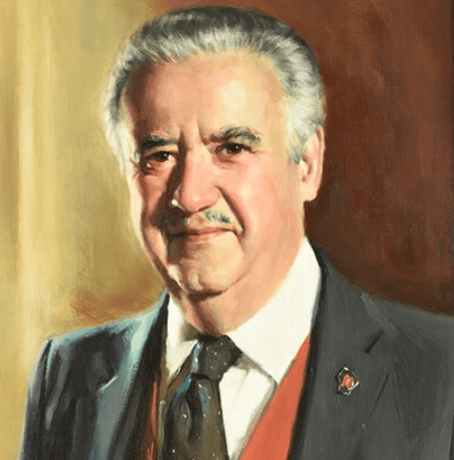
But history might suggest that Tiffany is gaining the upper hand. Yesterday he said he wants all of it to go back to taxpayers — not bothering to explain how he’s going to deal with that big structural deficit that that would create. This echos 1978. That year the state also was trying to decide what to do with a major surplus. Incumbent Democrat Martin Schreiber wanted to save it while Republican challenger Lee Dreyfus said it was the taxpayers’ money and they should get it all back. Dreyfus won. He gave the money back. And four years later the state faced a massive deficit that Democrat Tony Earl had to clean up.
Nonetheless, the lines are being drawn as we speak. Tiffany has a clear and popular position — give the people their money. But the Democrats can’t take that position because they are so committed to pumping more money into public schools, which is also a somewhat popular idea.
This could wind up being the defining issue in November. And that would be nice. It’d be nice because, no matter how you feel about it, it’s a real, substantive policy issue that the voters will get to decide.

