It has long been the case that there are three groups the Madison public school system’s board and administration don’t care about: well-behaved kids who just want to learn, teachers who just want classrooms they can control and taxpayers who just want their money to provide kids with a good education in an orderly and safe environment.
That point has been made abundantly clear over and over again, but it was driven home again today with a report on the use of “seclusion and restraint” at MMSD. The report showed that use of these measures is up significantly over the last year.
But here’s what struck me about it. The commentary in the news story focussed exclusively on the misbehaving kids as if they were the victims. One disapproving school board member suggested that the district should move to a “trauma-informed” protocol. It’s not clear what that would be, but she went on to say that a child’s poverty status should be taken into account somehow.
That’s just ludicrous. In the moment, when the kid is acting out, disrupting the class and possibly destroying the entire hour’s lesson for the whole class, the teacher is somehow supposed to first take into account the family’s annual net income?
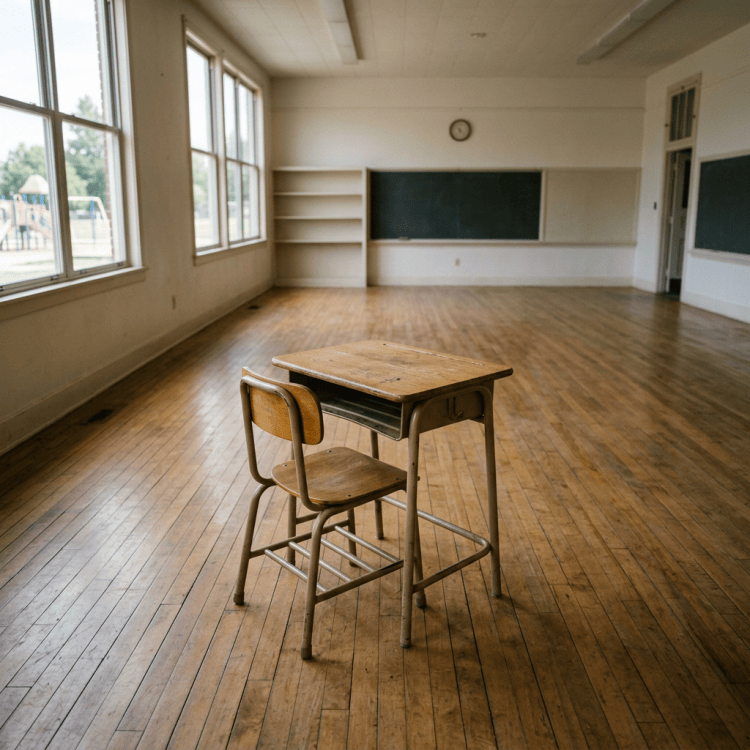
I certainly understand that most of the behavioral problems in our schools originate with kids from families where the parents aren’t models of positive behavior, if they’re present at all. But that’s not something a teacher can fix. They can only deal with the behavior in real time. What this board member seems to be suggesting is that teachers should be even further restrained from keeping good order in their classrooms.
Now, I’ll admit that my views on these things were largely shaped by 12 years of Catholic education. To my knowledge, Sister Mary Scholastica was not required to report every incident of her implementation of “seclusion and restraint” much less the beatings. I’m also not aware of any St. Ignatius parent who, upon learning that seclusion, restraint or a beating was visited upon their offspring sided with their child. The response was more likely, “Good for sister. I would have given it to you twice as good!” But on the flip side, our classrooms were generally tidy places where, if you wanted to learn things, you could. So, there’s that.
But my traumatized childhood aside, I would like a school board and administration that prioritized the interests of the 95% of kids who want to learn. Is that too much to ask? Based on the last decade or more of school board elections and referendum results I’d say it is.

