My taxes are high enough, thank you very much. But that doesn’t mean I shouldn’t have to pay my fair share.
So, I think it’s a good thing that Gov. Tony Evers will almost surely veto a pandering proposal by legislative Republicans that would make me tax exempt just because I’m sort of old.
According to a story in the Wisconsin State Journal, a bill on Evers’ desk would exempt from state income taxes all retirement income up to $150,000 for couples. This is just ridiculous. Do I not benefit from state services as much as anybody else and probably more? Why shouldn’t I have to pay for my share of state parks, prisons, universities, roads, aids for local services and schools, health care and the rest?
This has nothing to do with the merits and everything to do with politics. The Republicans knew full well that Evers would veto this, but they passed it anyway. Older people vote and so Republicans want to tell them that they gave them a big tax cut until the Democrats stopped them. But at least give the GOP credit for being better panderers. On the merits, excusing older people from their obligation to pay for services that benefit them is no worse an idea than paying off the college loans of younger people regardless of their need. But old folks vote in higher percentages.
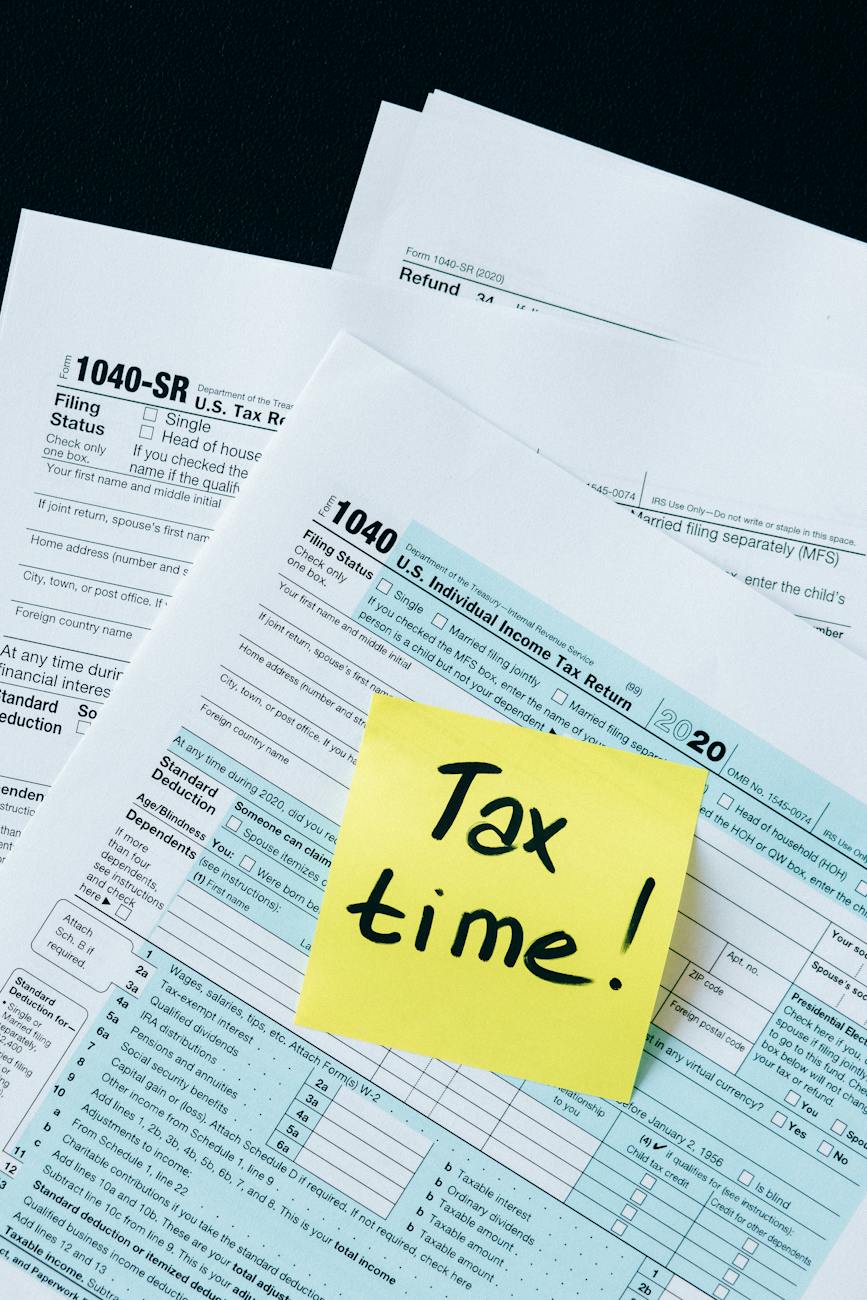
The Republicans sent the governor three other tax proposals that deserve his consideration.
The first, which he has already pretty much said he will sign, would increase the child tax credit to $10,000 for one child or dependent or $20,000 for two or more children or dependents. The proposal has received the most Democratic support, passing the Assembly on a 92-4 vote and by a 29-3 margin in the Senate. Evers is right when he says that the state should invest more in child care, but there’s no harm in the expanded tax credit as long as it’s not seen as solving the problems in that industry.
The second proposal didn’t get much Democratic support and Evers may veto it, but God knows why. It would expand the marriage income tax credit from $480 to $870. The average couple would save $338 under that proposal, according to a Legislative Fiscal Bureau analysis, and it would reduce the state’s overall tax revenue by about $160 million in 2024, a manageable amount. The marriage tax credit is, I suppose, designed to encourage marriage, which is a good thing. But does anybody tie the knot for the $480 and will another $400 matter? “Dear, I’ve been waiting to ask you to marry me until the legislature increased the marriage tax credit and now that day is here!” Still, because this credit is income limited (my wife and I don’t qualify) it focusses some tax relief on lower incomes. I don’t get why the Democrats oppose this.
That brings us to the big enchilada, the Republicans’ third attempt for a massive across the board tax cut. This one is likely to be vetoed by Evers, like the others, but it does represent a significant step toward his position. The centerpiece of their plan is to expand the lowest tax rate of 4.4% up into higher amounts of income. Currently, those earning between $14,320 and $28,640 as an individual ($19,090 and $38,190 as a joint filer), are taxed at that rate. Under their plan, the bracket’s rate would be expanded to individuals making up to $112,500 and joint filers making up to $150,000.
This is somewhat more progressive than the Republicans’ last offers. In November, Evers vetoed a Republican proposal to reduce the income tax rate from 5.3% to 4.4% for people in the state’s third tax bracket, a broad category covering individuals earning between $28,640 and $420,420 a year and married filers earning between $38,190 and $405,000. He vetoed the same proposal when he signed the state budget in July. So, essentially, their latest proposal expands the lowest tax rate to incomes up to $150,000 instead of up to $405,000 and that’s a big nod toward Evers’ position.
Under their latest proposal, the average Wisconsinite would pay $454 less in taxes, but the amount varies depending on income. Those making between $60,000 and $70,000 would save an average of $189, while Wisconsinites making between $250,000 and $300,000 would save an average of $965.
Higher benefits for higher earners are likely to happen in any income tax cut proposal. That’s because those with incomes outside of the proposed tax bracket would still be paying lower taxes on the amount covered by the modified bracket. The only way to bring dollar amount tax breaks for high earners back down would be to increase the tax rates in the higher brackets, something that would be a nonstarter for Republicans.
This tax cut, paired with tax credits included in the package, would reduce Wisconsin’s total income tax revenue by about $2 billion per year in fiscal 2024-25 and $1.4 billion per year after that, according to the Legislative Fiscal Bureau. That’s on top of a $2 billion tax cut that Evers signed into law in the last budget. It creates the specter of future deficits and for that reason alone Evers should veto it.
What really should happen is that that massive middle bracket covering joint earners of $38,000 to $400,000 should be carved up into smaller brackets, so that tax relief can be better targeted at middle incomes. What we’ve got now is, for all intents and purposes, a flat tax, which I think is a bad idea. And the overall cut needs to be lower than $2 billion so that it’s safely sustainable.
But whatever happens, please, don’t cut my taxes just because I’m old and I vote.
 Yellow Stripes & Dead Armadillos
I am going to be honest here, Citizen Dave: All those numbers that you cite in this informative post basically served to confuse me. My eyes glazed over as I tried to comprehend the pros and cons of a state tax cut. I voted for Evers so that he and his administration can figure out what’s right for our state. I generally trust their judgment.
The bottom line is that, while I pay a lot in federal, state and local taxes, I also get a lot out of that money. I don’t complain about how much I owe.
What I’d like to see, however, is a movement to make paying state and federal taxes a lot easier. I’ve never understood how the city of Madison can figure out how to send me a fairly complicated bill every December, but the state and federal governments make me file loads of paperwork to pay what they already know that I owe. Why can’t they just send me a bill, like the city does? The tax prep lobby – H&R Block et al. – obviously hates that idea but it makes a whole lot of sense.
It’s kind of like the Medicare that you became eligible for last week. Why should we have to file complex documentation to get something that we’ve spent almost 50 years earning? It seems to me that my drivers license or state-issued I.D. should be the only paper work required.
LikeLike
Couldn’t agree more, Matt. I think the reason income taxes are so complicated is that we use the tax system to encourage all kinds of behaviors — and some of that gets hijacked by special interests to reward them for what they’d do anyway. The marriage credit is a good example of how this goes awry. It’s an extra rather complicated step in the state income form and I can’t believe it encourages anybody to get married.
LikeLike