The Florida State Seminoles may have done more to advance a fair and orderly future for college football than any other team this season.
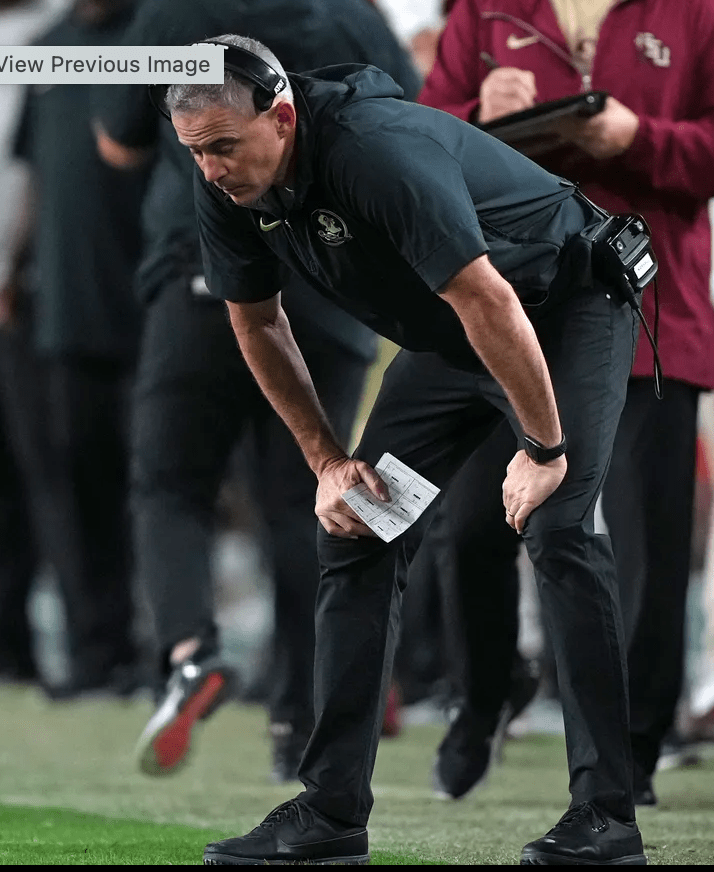
The Seminoles pulled that off by getting crushed in the Orange Bowl on Saturday. How does an undefeated team, ranked fifth in the nation, one that sparked a heated controversy when it wasn’t selected for the college football playoffs, lose to Georgia by 60 points?
It happened because the team that won 13 games didn’t show up in Miami Gardens. Literally. Over two-dozen of the team’s best players opted out or hit the transfer portal before the game. ( Starting quarterback Jordan Travis was out with an injury.) Had they been competing for the national championship you could be sure that wouldn’t have happened, but still, this wasn’t a nothing game. They were playing the sixth ranked team and they were going for a perfect season. This was a let down for their fans (remember the fans?) and to college football fans everywhere who were denied a good contest between two elites teams.
And it’s only the most dramatic case of what’s been happening all over bowldom. Dozens of players have opted out of their bowl games, some so as to not risk injury as they wait for the NFL draft and others who have entered the portal. That Wisconsin game you might watch later today will be minus LSU’s Heisman Trophy winner Jayden Daniels and nine Badgers.
Chalk it up to growing pains for a new system that is lurching toward paying the players what they’ve earned and deserve. We’re now in the wild west period of that transition. Players went, pretty much overnight, from an indentured servant status that had them chained to their schools to a nearly constant state of free agency.
But what the Florida State debacle revealed is that this has to move on to the next stage: contracts. It’s in the schools’ best interests to keep players around for more than a year and the only way to do that now is through contracts, just like the pros. And the only way you can bind a player to a contract is by giving him something in return, a thing known commonly as money.
These contracts could bind a player to a school for any number of years of eligibility and require that player to suit up for any game for which he is deemed healthy and otherwise eligible. In return the player (well, his agent) would negotiate for as much money, through direct payment or NIL deals, that he can get.
This modern innovation of “contracts” has only been around for about 4,600 years, so it’s not surprising that it’s new to the NCAA. But it’s the obvious answer to a problem made so much more obvious by what happened to the Seminoles over the weekend.


Look for State Supreme Courts to rule these opt-outs ineligible for the NFL draft. Contracts are nice but weaponizing the justice system is so much easier.
LikeLike