With Josh Kaul now out of the race for Wisconsin governor (he’s decided to seek a third term as AG), let’s take a look at where we’re at.
On the Republican side it looks like the nominee will be Tom Tiffany, an ultra-conservative Trump acolyte whose congressional district spans northeast Wisconsin, the most conservative place in the state. His only opponent to date is Washington County administrator Josh Schoemann. Schoemann is affable and he has relevant administrative experience, but he’s not likely to prevail against Tiffany’s name recognition and money.
Tiffany’s extremism and exploitable record (he voted against certifying the 2020 election) will set up well for the Democrats as does the fact that Trump voters don’t show up when he’s not on the ballot.
So who does Team Blue have in the stable? Let’s attempt to break down the field into those who can get the nomination and those best positioned to win the general election. The crucial question is how much those two criteria overlap. Will Democratic primary voters be practical as they were when they nominated the low key Tony Evers in 2018 or will they go for the more liberal and charismatic candidate as they did with Mandela Barnes against Ron Johnson for the 2022 U.S. Senate race?
Speaking of Barnes, if he gets in as he probably will, he’ll have to be counted among those with the best shot at the nomination. He’s popular with activists which makes him a good vote-getter in Dane County and his home county of Milwaukee. On the other hand, he lost to Johnson who seemed ripe for defeat.
But at this point I’d have to say that the front runner for the nomination is Lt. Gov. Sara Rodriguez. She has a claim to being next in line and she just got a pledge from the Democratic lieutenant governors association of a $2 million independent expenditure on her behalf. It’s hard to raise money in a primary and so this is a huge boost.
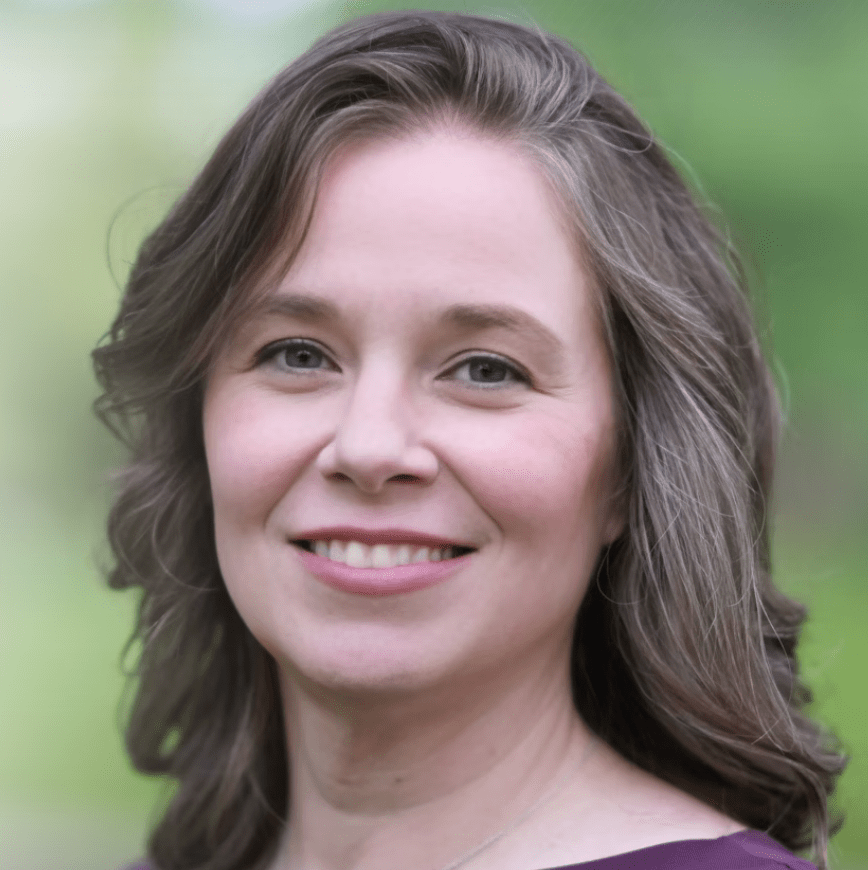
A drag on Rodriguez is her career as a health care executive. That industry is unpopular and she risks having all of the public’s frustrations with it laid at her feet if she advances to the general election — and maybe even in the primary. Still, you’d have to count her as in the sweet spot of being both a good bet for the nomination and someone with a decent shot of winning in November.
Next is Madison’s state senator Kelda Roys. Being Madison’s state senator may be all you need to know. It would work to her advantage in the primary but could be deadly in the general election for two reasons. The first is just the association with Madison, which is unpopular in the rest of the state, and the second is that she has voted down the line for every liberal idea ever advanced. She will have taken unpopular positions — outside of Madison — on the hot button immigration and transgender issues. And she’s running a campaign playing to activists with an emphasis on identity politics and abortion. She would be at best a toss up against Tiffany, but she has some reasonable chance at the nomination. Working against her is the fact that there are four women in the race and one of them is Madison Rep, Francesca Hong who will undercut her on her left and an in her own backyard.
Then there’s Missy Hughes who wants to distinguish herself from everyone else by claiming not to be a politician. In my book when you announce for public office you are by definition a politician. In any event, she has a lot of private sector corporate experience, but in an industry more popular than health care. She was an executive at Organic Valley. And she’s spent the last few years running the state’s economic development programs under Evers. And like Evers she’s said to be low on charisma — a big plus in the general election. The last thing voters want is a “dynamic” Democrat. Scares the bejesus out of them. Hughes’ profile looks good against Tiffany, but the big question mark is where she stands in terms of securing the nomination. It’s too early to tell, but it feels like she trails Rodriguez by a substantial margin right now.
Lastly there’s Milwaukee County Executive David Crowley. With both legislative and executive experience, he’s got the best resume for actually doing the job. He’s also well liked and respected within the party. But Barnes is also Black and also from Milwaukee, so that will undercut him significantly. Crowley may well be the best candidate but without a path to the nomination.
There are some other minor candidates who won’t factor, but this appears to be the field as it will be set going into next August’s primary. And, of course, some may drop out before filing papers.
To sum it up, we’ve got:
Tom Tiffany, almost a lock for the GOP nomination but a weak general election candidate.
Sara Rodriguez, the nominal Democratic front runner for the nomination and a solid choice in the general election who will have to deal with her health care exec background.
Mandela Barnes, who has charisma that will help him in the primary but hurt him if he wins the nomination.
Kelda Roys, who is running to the left, which makes her viable in the primary and vulnerable in a general election.
Francesca Hong, who can only play a spoiler role for Roys. She has no chance at the nomination and would surely lose to Tiffany if she somehow did secure it.
Missy Hughes, who looks good on paper but has no electoral history and little profile within the party. She has a lot of work to do to get the nomination.
David Crowley, who would be a good governor if he ever got the chance, which he probably won’t.
 Yellow Stripes & Dead Armadillos
This is kind of a silly nitpick, but you’ve said it a couple of times now in different posts so I figured it’s worth correcting. Tiffany’s District is really much more centered on northwestern Wisconsin, not northeastern: https://en.wikipedia.org/wiki/Wisconsin%27s_7th_congressional_district
LikeLike
I would sure love to have good old Tommy Thompson back. the best Governor this state ever had.
LikeLike
Tommy turned out to be a very good governor, but I’ve been disappointed in him since 2016 when he went all in for Trump. He knows better.
LikeLike
Al must have set in. the mind goes bad when that happens.
LikeLike
I know a guy who’s deep into healthcare issues. He thinks Kaul’s silence on healthcare mergers in Wisconsin and the loss of Wisconsin-based hospitals has hurt healthcare in the state. He says AGs (and other pols) in Illinois, Michigan and Minnesota have all been far more skeptical of these developments and have called, for example, for hearings where the execs are questioned about the impact of the mergers on small and poor communities.
LikeLike